Building for growth
Why LPG Infrastructure Matters More Than Ever
The U.S. LPG market continues to grow, and with that growth comes a renewed focus on infrastructure. Over the past several years, record propane production, rising export volumes, and continued demand across residential, commercial, industrial, and petrochemical markets have driven investment throughout the LPG value chain.From storage terminals and bulk plants to loading systems, process equipment, and distribution networks, companies are investing in the infrastructure needed to support growing volumes and improve operational efficiency.For years, much of the industry's attention was focused on supply. Today, many operators are asking a different question: Is the infrastructure in place to keep pace with growth?
As more product moves through the system, storage, terminals, rail and truck loading facilities, process equipment, controls, and distribution assets are becoming increasingly important. These systems are what allow LPG to move safely, efficiently, and reliably from producers to end users.
When infrastructure works well, it often goes unnoticed. When it does not, the impact can be immediate. Limited storage, aging equipment, loading delays, or bottlenecks at a terminal can affect delivery schedules, customer service, and profitability. That is why infrastructure is becoming a bigger part of the LPG conversation.
Growth Requires More Than Supply
Strong supply is important, but supply alone does not move product. LPG needs the right infrastructure behind it. That includes storage capacity, transfer systems, pumps, compressors, vaporizers, piping, controls, safety systems, and loading equipment. It also includes the planning, engineering, construction, and maintenance needed to keep facilities operating properly.
The need for this infrastructure is being driven by a wide range of applications across the energy and industrial sectors. LPG continues to serve traditional markets such as residential and commercial heating, but demand is also being supported by industrial fuel applications, petrochemical feedstocks, power generation, and transportation.
In many regions, propane is increasingly being used as a backup fuel source for facilities facing natural gas pipeline constraints or seeking additional energy security. Industrial operators value LPG for its reliability, flexibility, and portability, while refiners and petrochemical producers continue to utilize butane and other NGLs for blending and processing applications.
As these end-use markets evolve, infrastructure must evolve alongside them.
As volumes increase, many LPG operators are asking practical questions:
-
Can we load trucks faster?
-
Do we have enough storage?
-
Can our facility handle future growth?
-
Are our systems safe, compliant, and efficient?
-
Can we expand without disrupting daily operations?
These are not abstract market questions. They are everyday operational questions for propane marketers, terminal operators, midstream companies, industrial users, refiners, and energy infrastructure owners.
Industry Investment Reflects Long-Term Confidence
The growing focus on infrastructure is already visible across the industry.
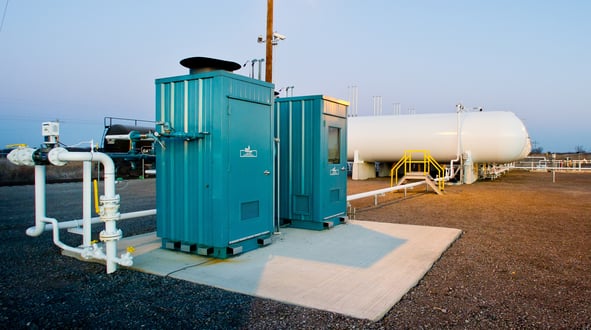
Terminal expansions, storage projects, facility upgrades, automation initiatives, and distribution improvements are taking place throughout North America. While every project is different, they all point to the same conclusion: operators are preparing for long-term demand and positioning themselves for future growth.
Some investments are focused on increasing capacity. Others are designed to improve reliability, safety, efficiency, or operational flexibility. In many cases, companies are pursuing all four.
Many investments are also tied directly to emerging market opportunities. New storage facilities, terminal expansions, vaporization systems, and fuel handling infrastructure are being developed to support growing industrial demand, peak- shaving applications, backup fuel systems, power generation projects, and expanded NGL utilization.
In sectors where energy reliability is critical, operators are increasingly evaluating LPG as part of a diversified energy strategy. These applications create new demands on infrastructure while reinforcing the long-term value of LPG as a versatile energy source.
What is clear is that infrastructure is no longer viewed as simply a cost of doing business. It is increasingly seen as a strategic asset that can improve performance, support growth, and create a competitive advantage.
For companies across the LPG industry, the conversation is shifting from "How much product can we produce or sell?" to "How effectively can we move, store, and deliver that product?" Infrastructure sits at the center of that discussion.
Reliability Matters
In the LPG business, reliability is everything.
Customers depend on product being available when they need it. Operators depend on equipment that performs safely in demanding conditions. Projects need to be completed correctly, because delays and rework can be costly.
This is especially important as facilities become more complex. A storage expansion, terminal upgrade, a backup fuel installation, a butane blending project, or a new loading system may involve multiple pieces of equipment and several technical disciplines. Engineering, fabrication, construction, controls, safety, and commissioning all need to work together.
That level of coordination is one reason many companies are looking for partners who understand the full LPG project lifecycle.
Infrastructure Is a Long-Term Investment
LPG infrastructure is not built for one season. Tanks, terminals, process systems, and loading facilities are long-term assets. Decisions made during design and construction can affect a facility for decades.
That makes it important to think beyond the immediate project.
A good infrastructure plan should consider future growth, maintenance access, operational efficiency, safety requirements, and the ability to adapt as market needs change. The best projects solve today's needs while leaving room for tomorrow's opportunities.
For many operators, infrastructure decisions are increasingly influenced by future application requirements. A facility designed primarily for propane storage today may need to support vaporization, backup fuel capability, additional truck loading capacity, power generation support, or expanded butane handling in the future. Building flexibility into infrastructure projects can help organizations respond to changing customer needs and evolving market opportunities without requiring significant redesign or expansion.
In an industry where market conditions can change quickly, flexibility has become increasingly valuable. The facilities being built and expanded today will help determine how effectively companies compete in the years ahead.
Building for the Next Phase of LPG Growth
The next phase of growth in the U.S. LPG market will depend on more than production volumes and export statistics. It will be driven by the expanding role LPG and NGLs play across industrial operations, power generation, backup energy systems, petrochemical applications, transportation, and fuel blending markets.
Supporting those applications requires infrastructure that is safe, reliable, scalable, and designed for long-term performance.
As operators continue investing in storage facilities, terminals, transportation systems, process infrastructure, and facility modernization projects, execution will become even more important. Owners need more than equipment. They need practical experience, technical knowledge, and coordinated support from planning through startup and beyond.
At TransTech Energy, we see this trend firsthand. Across the LPG, NGL, and broader energy sectors, customers are investing in infrastructure that supports both current operations and future growth. Successfully delivering those projects requires expertise across engineering, fabrication, construction, automation, commissioning, and ongoing support.
As the LPG industry continues to evolve, infrastructure will remain one of the most important parts of the story. The companies that invest strategically, execute effectively, and build with the future in mind will be best positioned to capitalize on the opportunities ahead.
Frequently Asked Questions About LPG Infrastructure
Why is LPG infrastructure becoming more important?
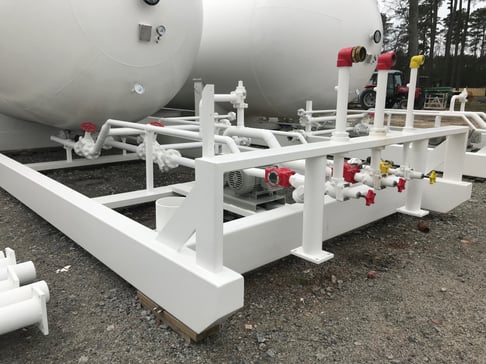
As propane production and LPG volumes continue to increase, the infrastructure required to store, transport, process, and distribute product becomes increasingly important. Storage facilities, terminals, loading systems, process equipment, and transportation assets help ensure product can move safely and efficiently throughout the supply chain.
What types of LPG infrastructure are seeing investment?
Investment is occurring across the LPG value chain, including storage terminals, bulk plants, truck and rail loading systems, process equipment, automation and controls, transportation infrastructure, and facility modernization projects. Many
operators are investing to improve capacity, reliability, safety, and operational efficiency.
What industries are driving investment in LPG infrastructure?
Investment is being driven by a diverse range of industries, including propane distribution, petrochemicals, refining, manufacturing, agriculture, transportation, power generation, and energy infrastructure. Growing interest in backup fuel systems, peak-shaving applications, butane blending, and industrial fuel solutions is also creating demand for additional storage, handling, and
processing infrastructure.
What challenges do LPG operators face when expanding infrastructure?
Common challenges include maintaining operations during construction, managing project schedules, meeting regulatory requirements, integrating new equipment with existing systems, and ensuring facilities can support future growth. Successful projects require careful planning and coordination across multiple disciplines.
How does infrastructure impact LPG supply reliability?
Reliable infrastructure helps reduce bottlenecks, improve product availability, increase loading efficiency, and support safe operations. Well-designed storage, terminal, and distribution systems can improve flexibility and help operators respond to changing market conditions.
What should companies consider when planning an LPG infrastructure project?
Companies should evaluate current capacity, future growth requirements, operational efficiency, safety considerations, maintenance requirements, regulatory compliance, and long-term flexibility. Infrastructure investments are typically long-term assets that should support both current needs and future expansion opportunities.
What is an end-to-end approach to LPG project delivery?
An end-to-end approach brings together engineering, fabrication, construction, automation, commissioning, and ongoing support within a coordinated project framework. This can help reduce project complexity, improve communication, and streamline execution from concept through startup.
How is TransTech Energy supporting the LPG industry?
TransTech Energy supports LPG infrastructure projects across North America through a combination of engineering, fabrication, construction, automation, commissioning, and lifecycle support services. The company works with customers on projects ranging from storage and terminal infrastructure to backup fuel systems, industrial fuel applications, process systems, butane blending facilities, and broader energy infrastructure initiatives.
What is the future of LPG infrastructure in the United States?
The long-term outlook remains positive. As LPG demand, exports, energy security requirements, industrial fuel applications, and NGL utilization continue to evolve, infrastructure investment is expected to remain an important focus for operators seeking to improve reliability, efficiency, safety, and long-term growth potential.