
Is Your Peak Shaving Facility Ready for What's Next?
Why Utilities Are Taking a Fresh Look at Peak Shaving Infrastructure
Unlike many other segments of the natural gas industry, LNG peak shaving facilities represent a relatively small but highly strategic portion of the nation's energy infrastructure. While there are hundreds of LNG facilities across the United States, only a limited number are dedicated to peak shaving operations, making each facility an important asset for the utility or operator it serves.
Many of these plants were constructed decades ago and continue to play a critical role during periods of peak natural gas demand, pipeline constraints, and severe winter weather. As utilities face growing energy demand, aging infrastructure, and increasing pressure to improve system reliability, existing peak shaving facilities are becoming more valuable than ever.
Rather than asking whether these facilities are still needed, many operators are asking a different question:
How can we maximize the value of the peak shaving assets we already own?
For some, the answer is modernization, inspections, and ongoing maintenance to extend the life of existing infrastructure. For others, changing operating strategies may make it more practical to sell underutilized equipment or complete facilities, allowing those assets to support new projects elsewhere.
Why Demand is Changing
Several industry trends are driving renewed interest in peak shaving facilities.
Growing electrical demand from data centers, advanced manufacturing, and industrial expansion is placing additional pressure on both the electric grid and natural gas infrastructure. At the same time, pipeline constraints continue to challenge utilities during periods of peak demand, particularly in regions where new pipeline construction has slowed.
These factors are encouraging utilities to evaluate how existing LNG peak shaving facilities, propane-air systems, and SNG plants can provide additional flexibility, improve system resiliency, and support future growth without the time and expense of building entirely new infrastructure.
What Is a Peak Shaving Facility?
A peak shaving facility supplements natural gas supply during periods of peak demand by storing LNG or producing propane-air (LPG-air) or synthetic natural gas (SNG) during off-peak periods for use when pipeline capacity becomes constrained.
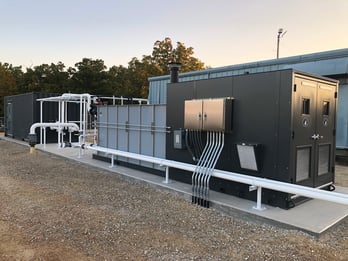
Typical peak shaving systems include:
-
LNG storage tanks
-
Propane-air (LPG-air) systems
-
Synthetic natural gas (SNG) blending systems
-
Vaporizers
-
Pumps and compressors
-
Truck and rail unloading systems
- Process controls and instrumentation
Together, these systems help utilities maintain reliable gas service during periods of high demand while improving overall system flexibility.
Why Existing Peak Shaving Facilities Matter More Than Ever
Because peak shaving plants are relatively uncommon, each facility represents a significant investment in energy reliability. Building a new peak shaving plant requires years of planning, permitting, engineering, and construction, making existing infrastructure increasingly valuable.
Rather than replacing entire facilities, many operators are choosing to extend asset life through preventative maintenance, equipment refurbishment, automation upgrades, facility modernization, targeted equipment replacement, and control system improvements.
The Importance of Preventative Maintenance
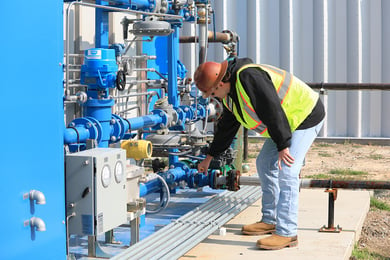
Like any critical energy infrastructure, peak shaving facilities require ongoing inspections and maintenance to ensure they perform when demand is highest. Routine maintenance of tanks, vaporizers, pumps, compressors, controls, valves, and process piping helps reduce the likelihood of unexpected failures during critical operating periods.
When Modernization Isn't the Right Answer
Not every peak shaving facility remains part of a utility's long-term operating strategy. Changes in regional demand, pipeline availability, and capital priorities sometimes leave facilities underutilized. Owners may choose to sell surplus equipment, recover value from existing assets, repurpose equipment, or decommission complete facilities.
Taking a Lifecycle Approach
Whether a facility remains operational or is approaching retirement, owners should evaluate inspections, maintenance planning, refurbishment, modernization, operational support, asset valuation, equipment purchases, and complete facility acquisitions as part of a comprehensive lifecycle strategy.
When Peak Shaving Assets Reach the End of Their Strategic Life
Changing load profiles, pipeline expansions, and evolving energy strategies may leave peak shaving facilities underutilized. These assets often retain significant value in other markets. TransTech helps utilities unlock that value through turnkey asset recovery solutions, providing engineering, decommissioning, relocation, refurbishment, and resale services that maximize return while minimizing risk and operational disruption.
Learn More About Peak Shaving Facility Solutions
Whether you're planning a peak shaving plant upgrade, looking for peak shaving maintenance services, or evaluating the sale of underutilized peak shaving equipment, TransTech Energy provides engineering, inspections, maintenance, modernization, and asset recovery solutions for peak shaving facilities across North America.
Learn more about our Peak Shaving Facility Solutions or contact our team to discuss your facility.
Frequently Asked Questions
What is a peak shaving facility?
A peak shaving facility supplements natural gas supply during periods of peak demand by storing LNG or producing propane-air or synthetic natural gas (SNG) for distribution when pipeline capacity is limited.
How long do peak shaving plants typically operate?
Many LNG peak shaving facilities remain in service for several decades when properly maintained and periodically modernized.
What equipment is included in a peak shaving facility?
Typical equipment includes LNG storage tanks, propane-air systems, SNG blending equipment, vaporizers, pumps, compressors, unloading systems, controls, and process piping.
When should a peak shaving facility be upgraded?
Facilities experiencing aging equipment, increasing maintenance costs, changing operational requirements, or outdated control systems are often strong candidates for modernization.
What if a utility no longer needs its peak shaving facility?
Owners may choose to sell surplus equipment or complete facilities, allowing valuable infrastructure to be reused while recovering capital from underutilized assets.